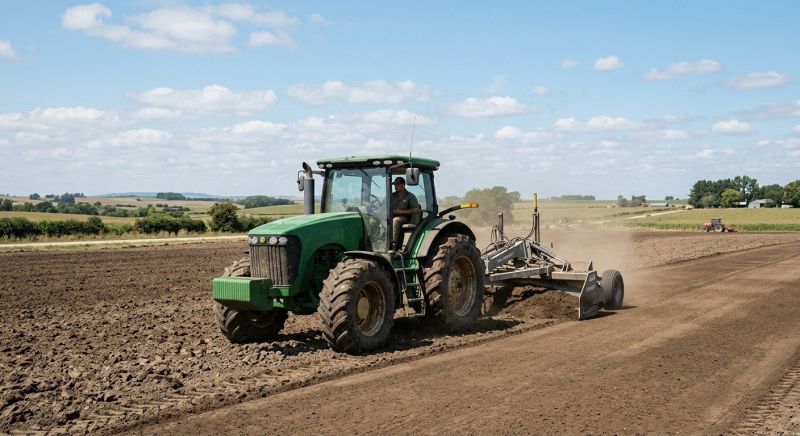
Field Leveling in Houston, TX
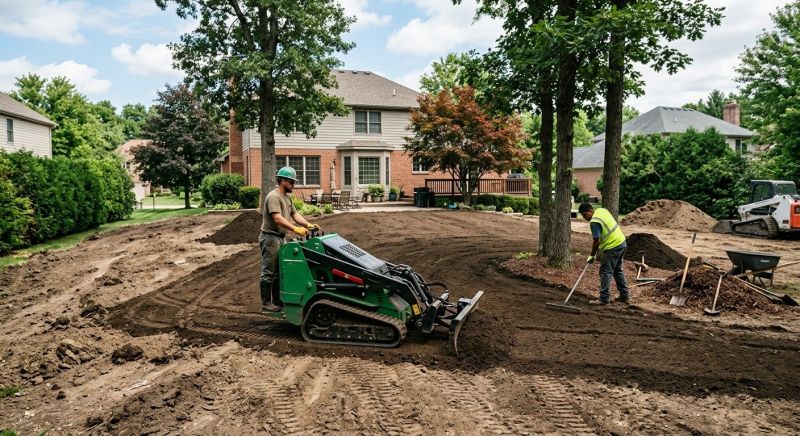
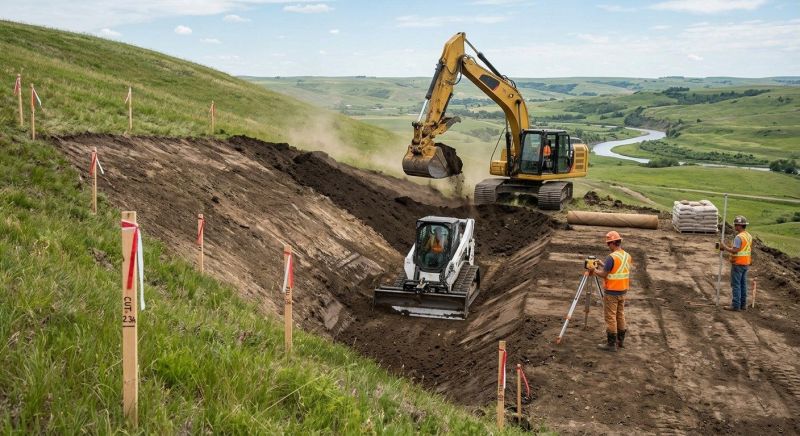
Field leveling services involve adjusting the surface of a property to create a smooth, even terrain. This process is commonly used for various projects such as preparing land for new construction, installing lawns or gardens, and fixing uneven or sloped areas that may cause drainage issues or safety concerns. Homeowners considering field leveling should understand that the work typically involves removing high spots, filling low areas, and sometimes reshaping the land to achieve a stable, level surface suitable for their specific needs.
Property owners usually want to know what types of land conditions can be addressed, the scope of the project, and any preparations needed before work begins. It is important to consider the size of the area, the existing terrain, and the desired outcome to ensure the service aligns with project goals. Understanding these factors can help homeowners make informed decisions about the best approach to achieve a level, functional outdoor space.
Many property owners in Houston, TX look into Field Leveling for repairs, replacements, upgrades, and appearance-related improvements.
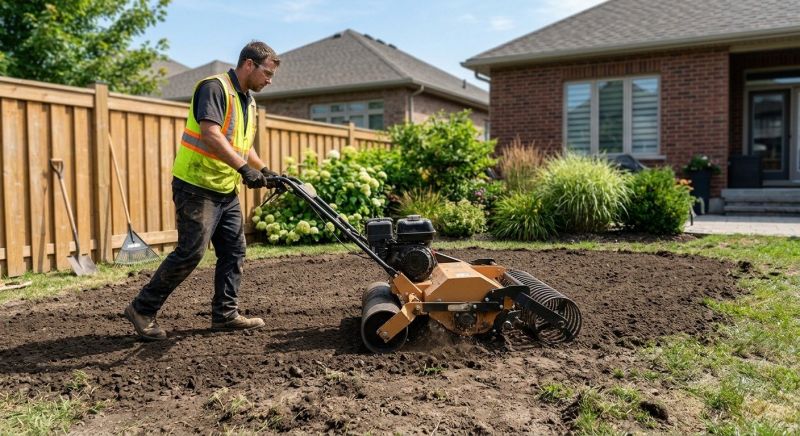
Ensuring A Level Foundation
Proper field leveling helps create a stable base for driveways, patios, and landscaping projects.
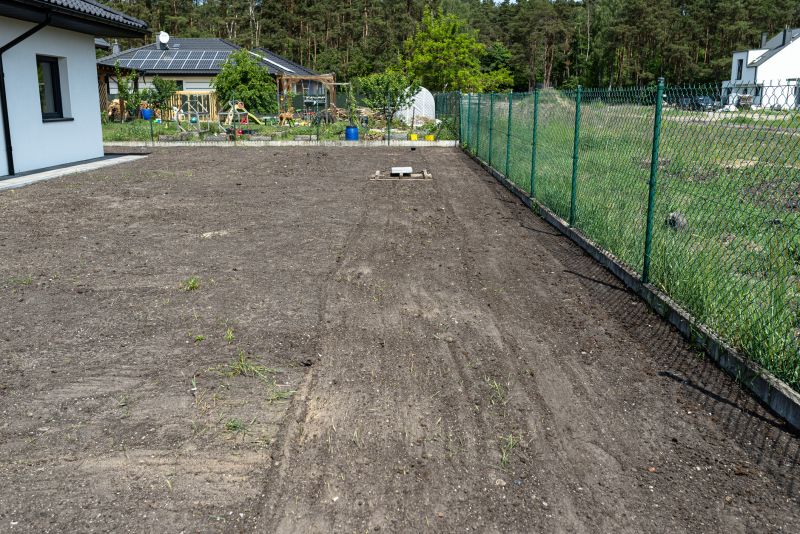
Preventing Water Drainage Issues
Leveling the terrain directs water flow away from structures, reducing the risk of flooding and erosion.
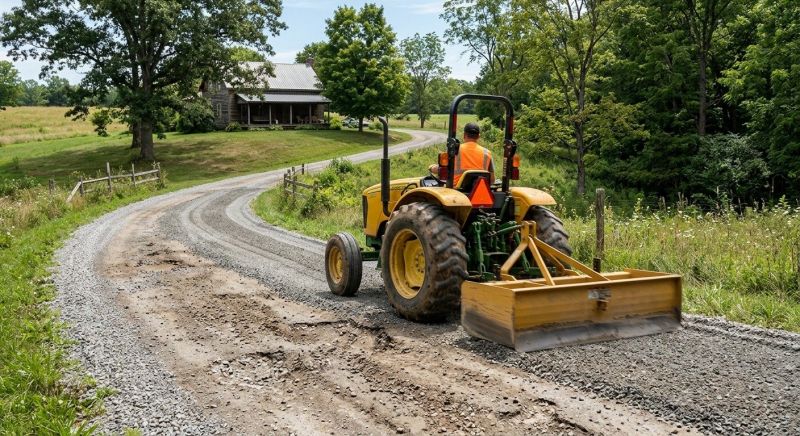
Preparing For Construction Projects
Field leveling is essential for preparing land for building decks, sheds, or other outdoor structures in houston, tx.
Field Leveling in Houston, TX

Field leveling services involve adjusting the surface of a property to create a smooth, even terrain. This process is commonly used for various projects such as preparing land for new construction, installing lawns or gardens, and fixing uneven or sloped areas that may cause drainage issues or safety concerns. Homeowners considering field leveling should understand that the work typically involves removing high spots, filling low areas, and sometimes reshaping the land to achieve a stable, level surface suitable for their specific needs.
Property owners usually want to know what types of land conditions can be addressed, the scope of the project, and any preparations needed before work begins. It is important to consider the size of the area, the existing terrain, and the desired outcome to ensure the service aligns with project goals. Understanding these factors can help homeowners make informed decisions about the best approach to achieve a level, functional outdoor space.
Many property owners in Houston, TX look into Field Leveling for repairs, replacements, upgrades, and appearance-related improvements.
Common Field Leveling Jobs
Foundation leveling - stabilizes uneven or sinking foundations to prevent structural issues.
Driveway and sidewalk leveling - corrects uneven surfaces for safety and improved appearance.
Landscape grading - ensures proper slope and drainage to protect landscaping and property.
Concrete slab adjustments - raises or lowers slabs to eliminate tripping hazards and improve functionality.
Interior floor leveling - creates a smooth, level surface for flooring installation or repair.
Retaining wall leveling - stabilizes and levels retaining structures to maintain landscape integrity.

Field Leveling Questions
What is field leveling? Field leveling involves adjusting the surface of a property to create a flat, even area, often for construction or landscaping projects.
When is field leveling needed? It is typically required when a property has uneven ground, such as slopes or dips, that could affect building stability or drainage.
What types of projects benefit from field leveling? Projects like installing patios, driveways, lawns, or preparing land for construction often benefit from this service.
How does field leveling improve a property? It helps prevent water pooling, reduces soil erosion, and creates a stable surface for future development or landscaping.
Request Field Leveling in Houston, TX
Use the quote form on this page to share the basics of your project and request more information for the type of work you need.